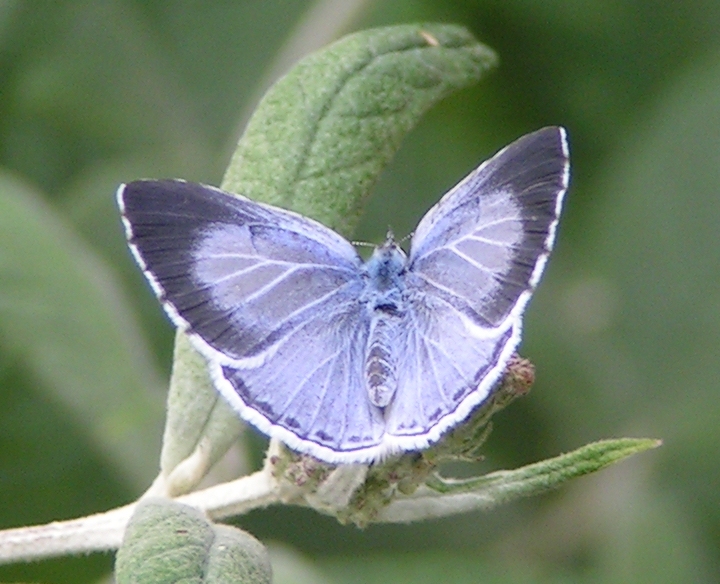
What's the difference between Moths and Butterflies?
A good question that does crop up a lot when Lorraine and I mention we like to spot and photograph both.
Simplistic answers are usually these:
1: Butterflies fly during the day, Moths don't.
2: Butterflies rest with their wings upright and closed, Moths rest with them flat and open.
3: Butterflies are brightly coloured and therefore 'pretty' whilst Moths are dull.
4: Moths destroy clothes and so are a menace whereas Butterflies don't do that.
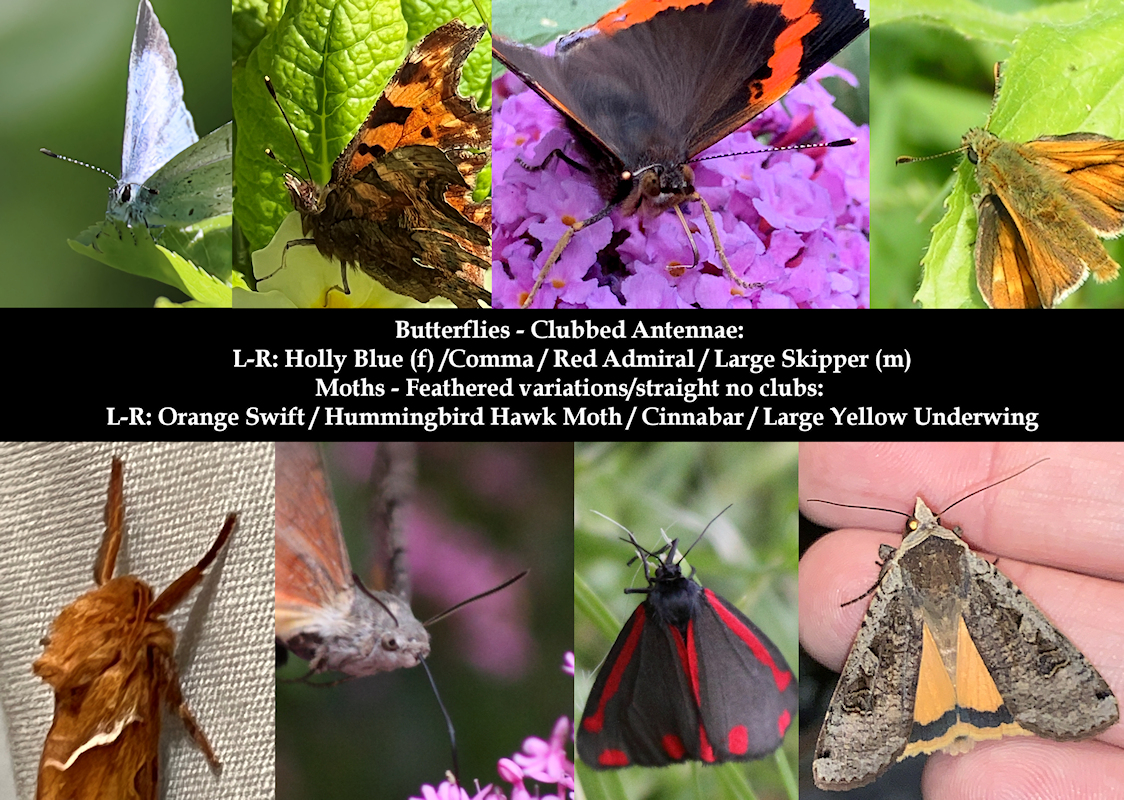
5: Butterfly antennae are thin, not feathery and have a clubbed aspect at their ends whilst Moths don't have the club and quite often theirs are long and thin and in many cases can be quite feathery in nature.
And for most intents and purposes the above work except as with all aspects of life, it's not as simple as that.
Take point 1.
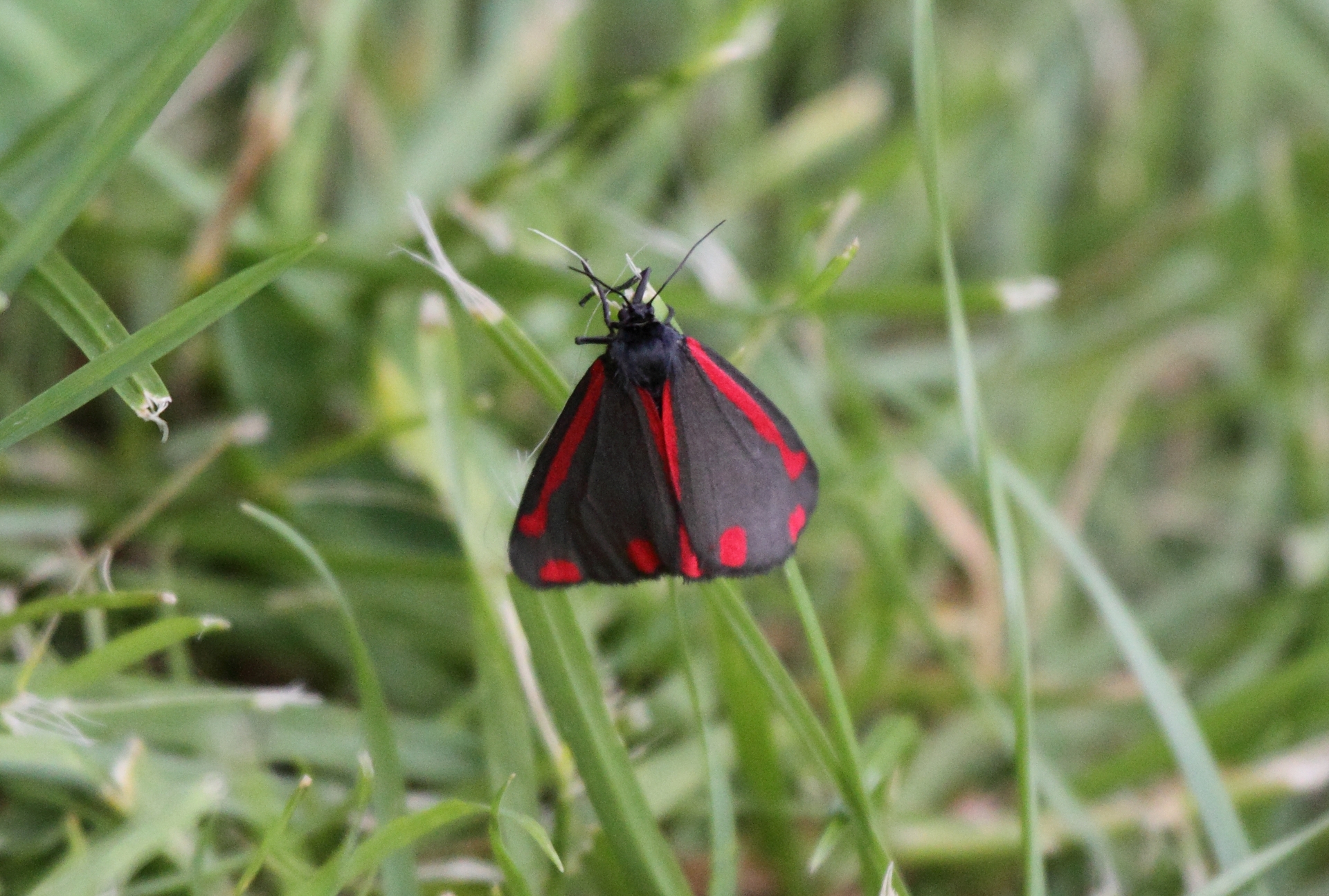
Lots of Moths are daytime fliers, such as Tiger Moths and Cinnabar Moths (left) and, when migrating, Red Admiral butterflies will fly at night, as will Painted Ladies.
Take point 2.
There are a few moths that do rest with their wings closed and upright such as Thorn Moths and some micro moths (Micro being small compared with Macro which are large), meanwhile the Dingy Skipper Butterfly rests with it's wings almost flat. The three skippers we see in our back garden (Large, Small and Essex) are small and others regularly confuse them as moths!
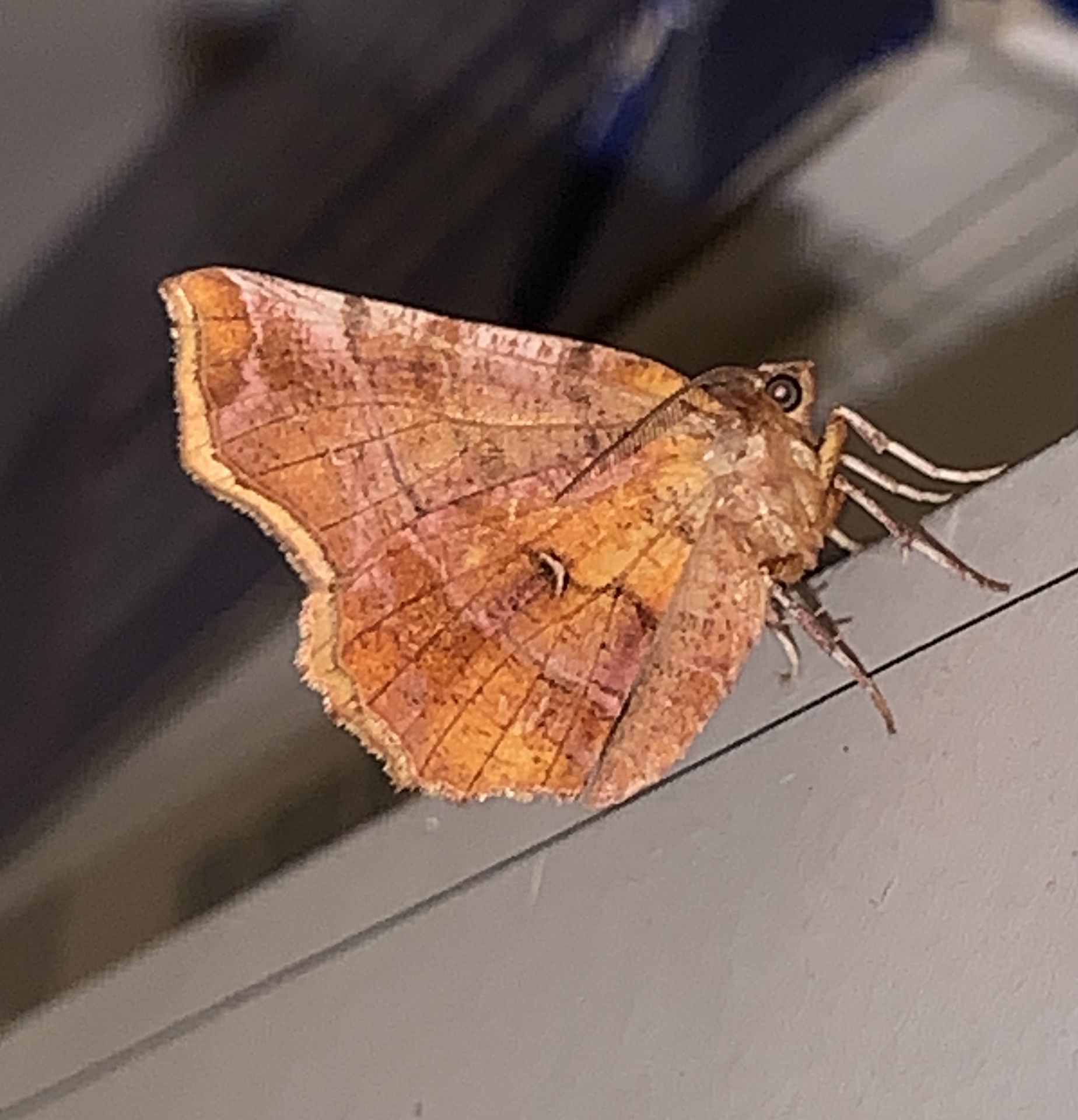
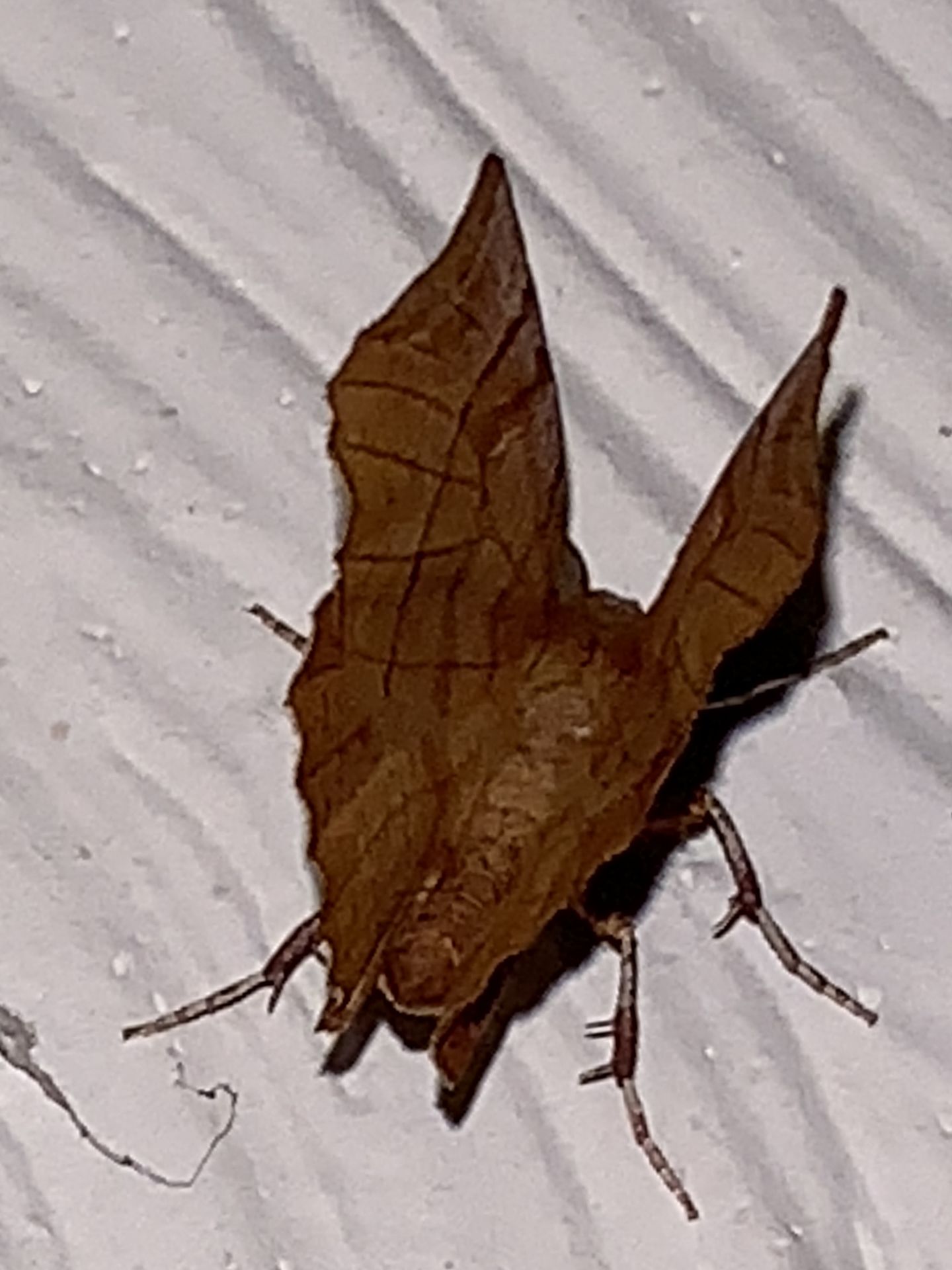
Above: Early Thorn Moth with wings upright photographed in our kitchen and conservatory
Take point 3.

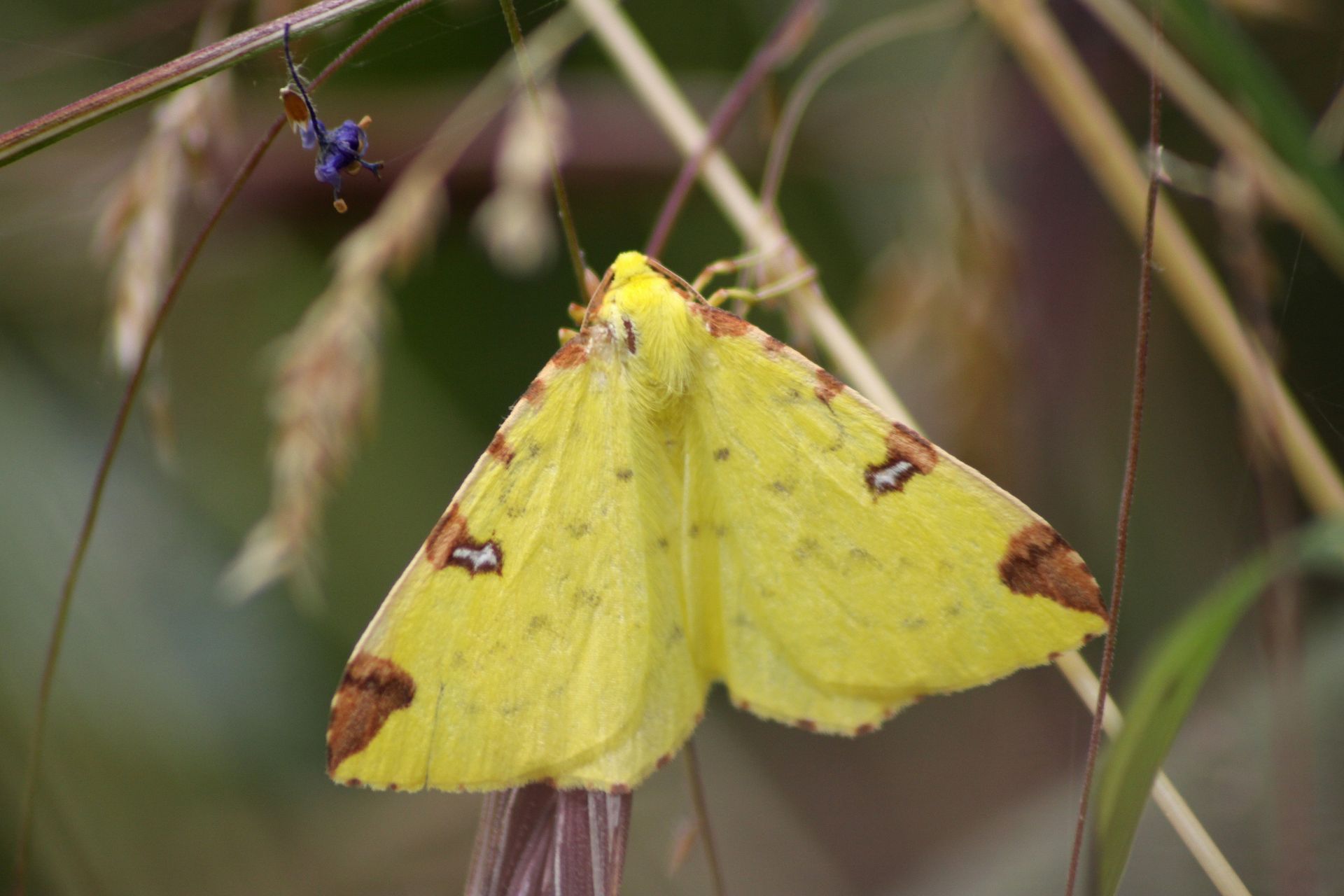
How do you define 'pretty'? Some butterflies such as the Ringlet and male Meadow Brown, Brown Argus and female Common Blue are brown or almost black on their upper wings whilst there are plenty of brightly coloured Moths such as the Orange Swift Moth (left), Large Yellow Underwing, Cinnabar, Brimstone Moth (below right), Hummingbird Hawk Moth and many others that are brightly coloured and eye catching. 'Pretty' as they say, lies in the eye of the beholder.
Take point 4.
Yes, a small subset of tiny moths or rather their tiny caterpillars do 'eat' natural fibres (commonly referred to as House moths) and so clothes and curtains etc are prime targets. But the reality is the vast, vast majority of moths don't do the damage usually attributed to them.
Take point 5
OK, you can have this one for UK species of Butterfly as none of them have feathery antennae. Plenty of Moths do and some have very smooth antennae but with Moths there's no club at the end.
So there are exceptions in almost every case and it gets even more complicated if you delve into species. Butterflies and Moths are all part of the Lepidoptera insect order which is large, second only to that of Coleoptera, the beetles (no, not the FAB four!). Interestingly, it is now broken down into Butterflies, Moths and Skippers with Skippers considered intermediate between Butterflies and Moths and I can see the sense in that.
Incidentally there is no such Butterfly as a 'Cabbage White' which often is the name a lot of people give to any white they see without looking closely for the differences. There is good justification if you spot a Large White as it's caterpillars do destroy Cabbages and other Brassicas but Small Whites, Green Veined Whites etc are often lumped in by association rather than on their own merits and don't cause the same level of damage as Large White caterpillars.
Overall, in the UK there are 61 Butterfly species with several endangered. Lorraine and I have been very fortunate to spot and photograph 23 species in our humble back garden and the shrub filled 'bund' that separates us from the Boston Road Industrial Estate.
Sadly as the industrial estate has grown and green rough land ideal for some species has been destroyed, we've seen a gradual drop in the annual sightings of different species which is a shame.
However, as Moths are also interesting we've begun to record and photograph the ones we've seen.
And referring back to point 3 above, some of them are pretty ;-)
Our Butterfly and Moths section of the Astrospace website:
https://www.astrospace.co.uk/Butterflies/